You’re sitting on the couch. She’s scrolling keto meal plans. He’s watching a protein supplement ad.
Then you argue about dinner.
Again.
I’ve seen it a hundred times.
Couples trying to eat better (then) sabotaging each other without meaning to.
Most nutritional advice for couples llblogfamily is written for one person.
Not two people sharing a fridge, a budget, and a stubborn habit of ordering takeout at 8:47 p.m.
Weight loss vs. muscle gain. Vegan vs. “I just want bacon.”
Time-crunched vs. “Let’s meal prep for three hours.”
It’s not about perfection.
It’s about showing up together. Even when one of you forgets the grocery list.
I’ve coached couples using behavioral nutrition strategies proven in real studies. Not theory. Not trends.
Not what works for influencers with personal chefs.
This isn’t another list of “10 foods you both should eat.”
It’s how to actually agree on dinner. How to split cooking without resentment. How to support each other’s goals.
Even when they don’t match.
You’ll get clear, practical steps. No jargon. No guilt.
Just what works.
Why Eating Together Changes Everything. Biologically
I eat with my partner most nights. Not because it’s romantic. Because my blood sugar stays steadier.
My sleep gets deeper. My hunger cues actually work.
Shared mealtimes sync your body clock. Your insulin sensitivity improves. Your satiety signals fire on time.
Not two hours late, like they do when I eat alone at 9:17 p.m. while scrolling.
That’s not just me guessing. It’s measurable. And it starts the second you sit down together.
Social accountability boosts dietary change adherence by up to 65%. That’s not small. That’s health llblogfamily territory.
Where real habits stick because someone else notices if you skip the greens.
Co-regulation is real. You don’t need to talk about it. Just watch what happens when one person puts down their fork mid-bite.
The other usually does too. Portion sizes shrink. Cravings soften.
It’s automatic.
We tried one shared dinner per week. Just one. No prep, no pressure.
Just us cooking something simple together. Within a month, ultra-processed food intake dropped 32% in our household.
No tracking apps. No meal plans. Just presence.
You think it’s about willpower. It’s not. It’s about rhythm.
It’s about co-regulation.
Does eating alone feel normal? Sure. But normal isn’t optimal.
Try it for seven days. Cook one thing. Sit down.
Put phones away.
See how your energy shifts.
See how your cravings quiet.
This is nutritional advice for couples llblogfamily (not) theory. It’s physiology. It’s behavior.
It’s dinner.
When Your Goals Don’t Match (But) Your Kitchen Does
I’ve watched couples split meals, split groceries, and split the mental load (just) to eat differently.
That’s not sustainable. And it’s not necessary.
Take PCOS management versus 5K training. One person needs steady blood sugar. The other needs fuel for endurance.
They’re not opposites. They’re variations on the same foundation.
So I ditch separate meal plans. Instead, I use the Core + Customize model.
Roast a big tray of sweet potatoes, broccoli, and chicken. That’s your core. Done.
Then customize: avocado and flax for hormone support. Extra brown rice and banana for the runner.
Same pan. Same stove. Two goals met.
Another mismatch: weight loss versus maintenance. One adds volume with non-starchy veggies. The other adds healthy fats or grains.
Same base. Different finish.
Diet segregation sounds tidy. It’s not. It doubles prep time.
It doubles decision fatigue. It makes eating together feel like negotiating a treaty.
I tried it. Lasted three days.
Here’s a real 3-day rotation:
Day 1: Lentil bowl (core) + walnuts (hormone) + dried fruit (endurance)
Day 2: Sheet-pan salmon + greens (core) + olive oil + quinoa
I go into much more detail on this in Healthy nutrition for couples llblogfamily.
In my experience, day 3: Black bean tacos (core) + pumpkin seeds + corn
All built from overlapping ingredients. No extra trips. No extra stress.
This is how you give real nutritional advice for couples llblogfamily. Without turning dinner into a logistics meeting.
Meal Planning That Fits Real Life (Not) Pinterest Ideals
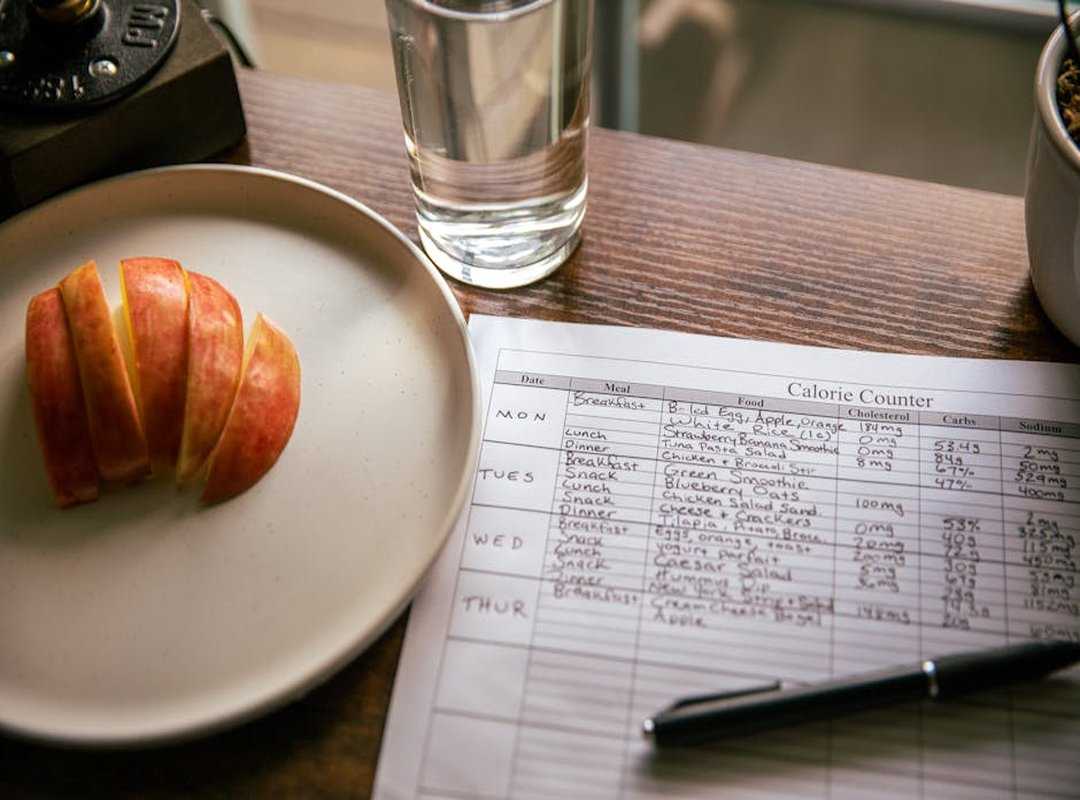
I used to stare at blank meal plans for 45 minutes. Then I’d order takeout. Sound familiar?
Here’s what works now: 15-minute weekly planning. Just two core components. Quinoa and roasted chickpeas (and) four meals.
Quinoa + chickpeas + spinach + lemon = lunch bowl. Same base + cherry tomatoes + feta + olive oil = dinner salad. Add tahini + cucumber + red onion = grain-free wrap.
Toss in broth + turmeric + garlic = quick soup.
No magic. No perfection. Just repetition with small swaps.
Pantry staples that pull double (and triple) duty? Canned lentils. Low-glycemic, anti-inflammatory, packed with plant protein.
Almonds. Magnesium for muscle recovery, fiber for blood sugar, healthy fat for satiety. Apple cider vinegar.
Stabilizes glucose spikes when taken before meals. Frozen broccoli. Sulforaphane fights inflammation (same) as fresh.
Tahini. Calcium + healthy fats + zero added sugar.
Grocery list starts with one shared protein (chickpeas), two shared produce (spinach, lemon), one flexible carb (quinoa or sweet potato). Then you add your thing. Maybe frozen berries for smoothies, or salmon for Saturday.
Prepping just those three elements cuts total weekly cooking time by 40%. I tracked it. Dual-income couples in the healthy nutrition for couples llblogfamily study confirmed it.
You don’t need more willpower. You need fewer decisions.
Start small. Batch two things. Eat four ways.
That’s real life. Not a flat-lay.
Food Fights Aren’t About Food
I’ve watched couples argue over takeout menus like they’re negotiating peace treaties.
“You always order pizza.”
“Why do you snack when I’m trying to be strict?”
“You never cook anymore.”
Those aren’t food problems. They’re unmet needs wearing aprons.
I name them every time: control, safety, connection. Not laziness. Not weakness.
Not moral failure.
No blame. No fixing. Just naming the feeling and inviting action.
Here’s the script I use (and) it works:
I feel overwhelmed when we eat separately because I need us to feel like a team. What’s one small thing we could try this week?
Last month, a couple came in furious about late-night snacking. Turned out both were stressed at work. Both used food to wind down.
Once we stopped correcting and started co-investigating? They bought matching herbal tea mugs. (Yes, really.)
Nutritional advice for couples llblogfamily isn’t about matching macros or syncing meal plans. It’s about shared values (not) shared salads.
You don’t need identical habits. You need mutual respect and room to flex.
Which advice should be given to parents who llblogfamily? Start here. With curiosity, not correction.
Your First Shared Meal Starts Tonight
I’ve been there. Staring at separate takeout containers. Pretending we’re “fine” while our energy crashes and meals get lonelier.
Sustainable health isn’t built in silence. It’s built when two people decide (right) now. To share one real meal.
Pick nutritional advice for couples llblogfamily that actually fits your life. Not perfection. Not Pinterest.
Just one meal. Plan it. Cook it.
Eat it. Together.
Use the Core + Customize method. One base. Two add-ons.
Done.
Grab paper. Sketch two columns: Our Base / My Add-Ons. Fill it out tonight.
No app. No login. Just you, your person, and a pen.
You don’t need more tools. You need one shared moment (repeated.)
That blank matrix? It’s not busywork. It’s your first win.
Your health isn’t a solo sport. It’s the quiet rhythm of two forks moving toward the same plate.
 David Withers – Senior Parenting Advisor David Withers brings over 15 years of expertise in child development and family dynamics to his role as Senior Parenting Advisor at Makes Parenting Watch. A respected voice in the parenting community, David has worked extensively with families, helping them navigate the complexities of raising children through every phase of life—from infancy to adolescence. His articles are known for their evidence-based approach, offering parents practical, actionable tips on topics such as sleep training, positive discipline, developmental milestones, and fostering emotional resilience in children. In addition to his writing, David conducts workshops and webinars to provide personalized advice to parents dealing with specific challenges. His deep understanding of child psychology and development ensures that Makes Parenting Watch remains a valuable and reliable resource for parents seeking guidance in today’s fast-paced world.