What Empathy Actually Looks Like for Kids
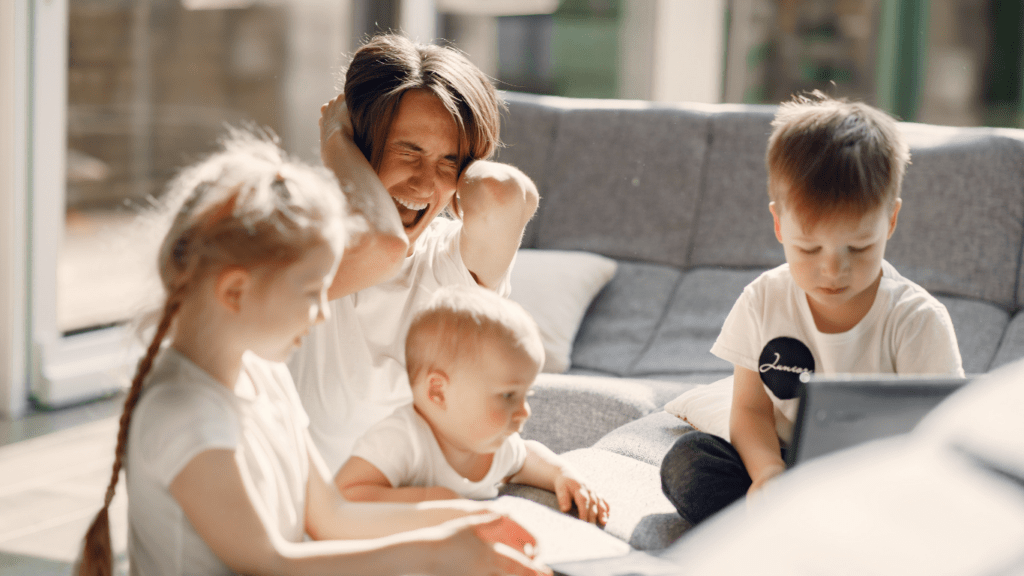
Empathy isn’t some abstract emotional concept it’s something kids can see and feel. At its core, empathy means noticing how someone else feels and caring about it. For young kids, this might look like offering a toy to a crying sibling, giving a hug to a sad friend, or just saying, “Are you okay?” They don’t need to understand the full mood map of another person. They just need to start noticing.
Sympathy and empathy get lumped together often, but they’re not the same. Sympathy is feeling sorry for someone. Empathy is feeling with them. It’s the difference between saying, “That’s too bad,” and saying, “That must be really hard want to talk?” The second signals true connection. Kids can learn this, but it starts by showing them what that feels like.
Why teach it early? Because kids who understand emotions both their own and others’ are better equipped to handle friendships, conflict, and stress. Emotional intelligence builds confidence, patience, and kindness. And it doesn’t take big moments. Just the little stuff, every day, where you help them notice, name, and care.
Turning Small Moments Into Empathy Lessons
You don’t need a lecture or a lesson plan to teach empathy. In fact, some of the best lessons sneak in during everyday routines. Meals, bedtime, even cleaning up these are chances to build emotional muscles. A quick “How do you think your sister felt when you grabbed that?” while clearing the table does more than you think. Bedtime chats can turn into gentle debriefs about the day: what felt good, what didn’t, and why it matters.
Books, shows, and even story driven video games are full of emotional material to work with. Pause a movie, ask what a character might be feeling, or how your child would respond in their shoes. Don’t overdo it this isn’t a pop quiz but use those natural moments when emotions are right out in the open.
Then there’s modeling. Your tone, how you talk to others, your body language it all teaches. Kids clock it all. When you apologize genuinely or show patience when irritated, you’re teaching them how empathy looks and sounds. It’s not about perfection. It’s about consistency and awareness, even in small moments.
The Power of Listening First
If kids don’t feel heard, they won’t learn how to hear others. That’s the core of empathy tuning in beyond just the words, and picking up what someone is really feeling. When parents genuinely listen, kids absorb that skill by osmosis. It’s less about having the perfect response and more about presence.
Listening well doesn’t require fancy techniques. Put the phone down. Make eye contact. Nod occasionally. Repeat back what you heard in your own words. Even five focused minutes sends a strong message: you matter. Over time, this models how to listen without jumping to conclusions or offering quick fixes.
Want them to recognize feelings in others? Start by helping them name their own and yours. “You seem upset about losing the game. I get it. I felt frustrated when I forgot my keys today.” This helps kids associate tone, posture, and expression with real emotions. They begin to connect the dots: she looks worried, he sounds excited, I’ve felt that too.
When you listen first, you teach patience, attention, and care three things empathy can’t live without.
For tips on strengthening this connection, check out Improve child communication.
Naming Emotions Builds Awareness

Kids can’t develop empathy if they don’t have the language for their own feelings. That’s where naming comes in. When your child seems upset, start with something simple: “You look frustrated was that because your block tower fell?” Giving words to what they feel helps them recognize it, process it, and ultimately see it in others.
Use “I” statements to model healthy expression: “I felt disappointed when we had to leave the park early.” Then follow up with light but direct questions: “How do you think your friend felt when no one picked her for the team?” These are small shifts, but they open big doors.
And remember feelings aren’t one note. A kid can be excited and nervous at the same time. Sad but proud. Let them know that’s normal. Emotions overlap, contradict, and build on each other. Teaching that complexity early means kids grow up understanding that people are layered and that’s empathy in action.
Encourage Perspective Taking in Real Life
Kids don’t learn empathy by accident they pick it up when we slow down and walk them through everyday situations. Role playing helps with that. Act out common moments like waiting their turn, losing a game graciously, or sharing a favorite toy. Keep it short, simple, and relatable. You play one side, and let them figure out how the other person might feel. Switch roles. Let them try both.
Another useful habit: helping kids notice social cues. When someone speaks with a raised voice or looks away during a conversation, ask your child gently, “What do you think that might mean?” Talk about body posture, tone, and facial expressions. These soft skills build emotional radar.
And teach the pause. Before they snap back or walk away frustrated, encourage a quick breath and a second to think. It doesn’t need to be a lecture just a reminder: you don’t always have to react right away. That small pause helps empathy slip in before old habits do.
Reinforce With Praise and Gentle Corrections
When your child makes a kind gesture shares without being asked, checks on a sad friend, or speaks up for someone call it out. Not with over the top praise, just a steady, clear acknowledgment: “That was thoughtful of you,” or “I saw how you included them that probably meant a lot.” Quiet, specific recognition goes further than a big reward or a gold star.
But what about when they miss the mark? Maybe they laugh when someone trips or ignore a sibling who’s upset. Don’t scold immediately. Ask questions instead. Try, “What made you laugh just now?” or “How do you think they felt when that happened?” The goal is to spark a pause. Give them space to think, without hammering them with guilt.
Consistency is key. Not perfection. Keep showing up with the same calm reminders over time. That’s what builds empathy a steady signal that how we treat people matters. No lectures needed. Just honest correction, short and to the point, over and over till it sticks.
Keep the Conversation Going
Empathy isn’t a one and done talk. It’s a long game. The goal is to make feelings part of daily life normal, routine, nothing to hide or rush through. Ask questions like “What made you feel that way?” or “What were they feeling, do you think?” at the dinner table, in the car, or during bedtime wind downs. Keep it simple, but show up consistently.
As kids grow, the conversation should grow with them. A kindergartener might need help naming frustration. A tween might need space and time before they’ll talk at all. Don’t force depth too early. Instead, meet them where they are, then take small steps forward.
And stay patient. Some days, you’ll feel like they’re not listening. Other days, they’ll surprise you with kindness they clearly picked up from somewhere. This isn’t about getting it perfect it’s about staying in it.
Want more tips on raising good listeners? Check out Improve child communication.
 David Withers – Senior Parenting Advisor David Withers brings over 15 years of expertise in child development and family dynamics to his role as Senior Parenting Advisor at Makes Parenting Watch. A respected voice in the parenting community, David has worked extensively with families, helping them navigate the complexities of raising children through every phase of life—from infancy to adolescence. His articles are known for their evidence-based approach, offering parents practical, actionable tips on topics such as sleep training, positive discipline, developmental milestones, and fostering emotional resilience in children. In addition to his writing, David conducts workshops and webinars to provide personalized advice to parents dealing with specific challenges. His deep understanding of child psychology and development ensures that Makes Parenting Watch remains a valuable and reliable resource for parents seeking guidance in today’s fast-paced world.