
Smarter Tools for Daily Routines
Parenting hasn’t gotten easier it’s just getting smarter. AI is showing up in the nursery, on phones, and across smart homes to take some of the edge off daily baby care. Take baby monitors for starters: the new generation doesn’t just stream video. They track temperature, heart rate, oxygen levels, sleep patterns and notify you in real time if something’s off. That’s peace of mind before your coffee even kicks in.
Then there’s the growing role of virtual assistants. No, they won’t change a diaper, but they can remind you when feeding time’s up, log naps and bottles, or even suggest tweaks to the routine based on sleep data. All you have to do is talk.
And the house? It’s learning to keep up, too. Lights that dim when the baby’s trying to nap. Soothing white noise that turns on automatically after a cry. Thermostats that adjust based on body heat sensors in the crib. These aren’t gimmicks they’re tools designed to help parents stay present while staying sane.
AI isn’t replacing anyone. But it’s definitely making the day run smoother.
Personalized Learning From the Start
Early learning has gone from flashcards and singalongs to something a lot smarter. Adaptive early education apps are now doing what teachers and parents have tried to do for years adjust on the fly. These tools pay attention to how your toddler learns, then tweak the pace, content, and even the tone to keep things clicking. If your kid’s into dinosaurs, they’ll get more of that. If they respond better to music cues, the app leans into sound. It’s personalized learning, sped up and scaled out.
Voice recognition adds another layer. Some apps now listen to how your child talks, answers questions, or shows interest and adjust stories or games as they go. It’s not just responsive; it’s reactive in a way that feels more like an attentive adult than a static screen experience.
And then there’s the content itself. AI driven libraries are serving up books, videos, and activities tailored to your child’s developmental stage and interests. Instead of generic playlists, your toddler might get a curated run of stories that build focus or improve early language skills whatever they need next, served up before you even think to ask for it.
In short, AI isn’t replacing parents or teachers it’s making the tools smarter so young kids can learn in ways that feel natural, not forced.
Safer Digital Spaces for Kids
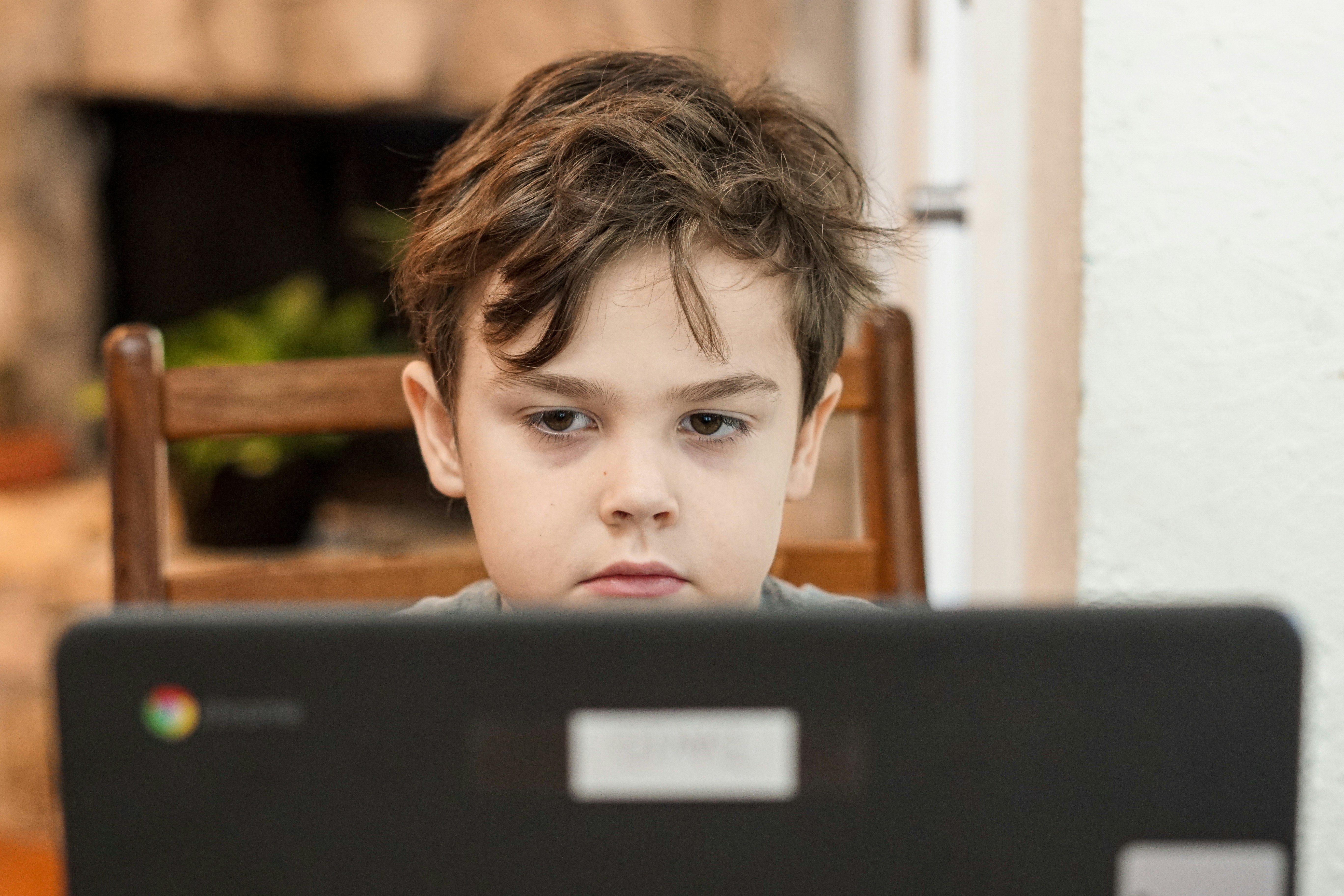
As kids spend more time online, ensuring their digital safety has become more complex and more critical. AI is stepping in to help parents create secure, age appropriate digital environments that evolve with their children’s needs.
AI Driven Parental Controls
Modern parental control systems are powered by AI, allowing for smarter and more personalized oversight. Instead of rigid restrictions, these systems adapt to your child’s online behavior and provide real time insights.
Automatically track screen time across devices
Block or allow apps based on age, content, or educational value
Customize settings for each child in the household
Real Time Monitoring and Smart Alerts
Rather than manually checking devices, parents can now rely on AI to monitor and interpret online activity. These systems spot red flags and unusual patterns, sending proactive alerts when something requires attention.
Get notified about excessive usage or abrupt behavioral shifts
Monitor messaging apps and social activity for concerning language
Receive reports that highlight trends and potential concerns
Automated Content Filtering
AI based content filters go beyond keyword blocking they understand age suitability, emotional tone, and contextual meaning to enforce boundaries more effectively.
Automatically adjust filters as children age or mature
Spot and remove inappropriate videos, games, and ads
Provide clean, curated digital experiences tailored to individual users
By combining real time analysis with adaptive learning, these tools make it easier than ever to guide healthy digital habits.
Mental and Emotional Check Ins
As artificial intelligence becomes more integrated into home life, it’s beginning to support a new area of child development: emotional wellness. Parents are now turning to AI powered tools to help nurture emotional intelligence, resilience, and communication skills from an early age.
Emotion Tracking Tools
Keeping up with your child’s emotional changes can be challenging especially during early development. AI driven emotion detection tools aim to provide insights that help parents respond better.
Use computer vision and voice analysis to detect shifts in a child’s mood or behavior
Track patterns over time and alert parents to possible stress or fatigue signals
Integrate with journals or logs to identify triggers and positive activities
Guided Emotional Expression
Some apps are designed not to just monitor emotions, but to help children articulate them. These tools promote healthy emotional habits through age appropriate guidance.
Interactive, story based conversations that walk kids through different feelings
Prompts and games that teach labeling emotions and understanding responses
Tools for parents to join in and reinforce positive emotional habits
AI Companions for Social and Emotional Support
AI companions or virtual friends are designed to engage kids in dialogue, offering a safe space for expression and learning social cues.
Support children with social skill development through simulated conversations
Help ease separation anxiety or provide comfort during stressful moments
Offer consistent emotional reinforcement, especially for children who are shy or neurodivergent
These tools are never meant to replace human connection but they can complement parenting by offering additional support between moments of face to face care.
Ethical Balance and Staying in Control
AI is a powerful assistant but it’s not a substitute for your judgment. Yes, it can organize your schedule, track your child’s screen time, and even detect changes in their mood. But the heavy decisions the ones that actually shape your kid’s life those still fall on you. Machine intelligence can flag an issue, it can’t understand your child the way you do.
That’s where the line between support and surveillance gets blurry. Just because a system can monitor every interaction or send an alert each time your kid tries a new app doesn’t mean it should. Responsible use means knowing when to let AI help, and when to back off and just talk to your child.
Before jumping into the next new app or smart device, pause and ask: Does this tool solve a real problem in your family? Is it there to empower or to replace active parenting? And will it build trust or erode it over time?
These are the core questions to keep you grounded, informed, and most importantly in charge. For a deeper look, read how AI is transforming parenting.
The Road Ahead
Parenting is about to get a lot more tech savvy. Over the next five years, AI tools are expected to move from helpful extras to active collaborators. Picture AI co parents capable of flagging developmental delays, suggesting bedtime routines based on daily patterns, or even stepping in with personalized advice when a kid throws a tantrum. Virtual therapists are also on the horizon AI avatars trained to guide both parents and kids through stress, emotions, and tough conversations.
It sounds futuristic, because it is. But much of it is already in beta, and adoption is picking up. The key challenge? Staying in the loop without drowning in it. Parenting doesn’t need more noise. So choose carefully. Subscribe to a couple of trusted newsletters. Set alerts from reputable pediatric sites. And every once in a while, tune out the tech and just watch your kid. No algorithm can replace that.
(Explore further: how AI is transforming parenting)
 Jameslee Silverayees – Founder Jameslee Silverayees is the founder and driving force behind Makes Parenting Watch, a comprehensive platform designed to support parents at every stage of their journey. As a parent himself, Jameslee recognized the overwhelming amount of information available and the need for a trusted source that offers practical, expert-backed advice. Drawing on his own experiences and his passion for family well-being, he created Makes Parenting Watch to be a one-stop resource for news, updates, and tips on everything from newborn care to family travel. Under his leadership, the website has grown into a highly respected community of parents, caregivers, and experts who come together to share insights and solutions. Jameslee is deeply committed to empowering families with the knowledge they need to raise healthy, happy children while fostering stronger family bonds.