
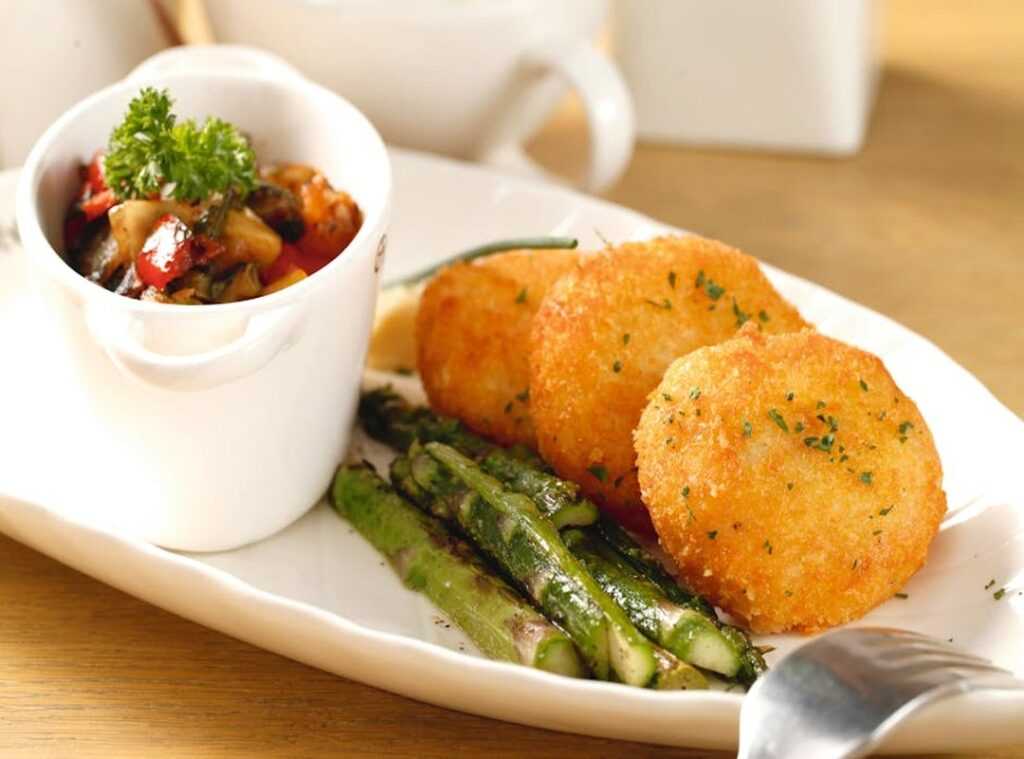
Making ratatouille can seem like a daunting task, but it doesn’t have to be. I’ve seen too many people give up on this classic dish because they think it’s too complicated or time-consuming. But trust me, with the right approach, you can make a delicious and authentic ratatouille that will impress anyone.
I’m here to break it down for you. This guide is all about making the process simple and straightforward. You don’t need to be a master chef to get it right.
We’ll go through each step, from selecting the best vegetables to layering them perfectly. And along the way, I’ll share some tips and tricks I’ve learned over the years.
So, are you ready to give it a try? Let’s get started.
Understanding Ratatouille: Origins and Variations
A Brief History: The origins of ratatouille in Provence, France, and its evolution over time.
Ratatouille started as a simple peasant dish. It was a way to use up the summer vegetables that were abundant in the region. Over time, it’s become a staple in French cuisine.
Regional Variations: How different regions and chefs put their own spin on the classic dish.
Every region has its own take. Some add more tomatoes, others focus on eggplant. Even within Provence, you’ll find different styles.
I once tried a version in Nice that used more zucchini and less tomato. It was surprisingly good.
Key Ingredients: An overview of the essential vegetables and herbs used in traditional ratatouille.
The core ingredients are eggplant, zucchini, bell peppers, onions, and tomatoes. Herbs like thyme, basil, and parsley add flavor. Garlic is a must.
- Eggplant
- Zucchini
- Bell peppers
- Onions
- Tomatoes
- Thyme
- Basil
- Parsley
- Garlic
Mistakes & Lessons Learned
I’ve made my fair share of mistakes with ratatouille. One time, I overcooked the vegetables, turning them into a mushy mess. Another time, I didn’t balance the flavors well, and it ended up too salty.
What I learned, and patience is key. Slow cooking helps the flavors meld without losing texture.
Also, taste as you go. Adjusting seasonings little by little makes a big difference.
And if you ever get the chance, try chef:l2-oermxmy4= ratatouille. It’s a unique twist that might just change your perspective on this classic dish.
Gathering Your Ingredients
When it comes to making a delicious ratatouille, the quality of your ingredients can make or break the dish. Let’s start with the vegetables.
Choosing the right eggplants, zucchinis, bell peppers, and tomatoes is key. Look for firm, shiny skins and avoid any that are soft or have blemishes.
Freshness matters. The fresher the veggies, the more flavorful your ratatouille will be.
Now, let’s talk about herbs and spices. Fresh thyme and basil add a burst of flavor that dried herbs just can’t match.
Don’t skimp on the spices either. A pinch of salt, some black pepper, and a hint of garlic can elevate the natural flavors of the vegetables.
Moving on to olive oil. High-quality olive oil is crucial for the authentic taste of ratatouille. It enhances the richness and depth of the dish.
Using a good olive oil makes a big difference. It’s worth investing in a bottle that’s cold-pressed and extra virgin.
With these tips, you’ll be well on your way to creating a chef:l2-oermxmy4= ratatouille that’s both authentic and delicious.
Preparing the Vegetables
Slicing and dicing is more than just a fancy way to cut veggies. It’s about making sure everything cooks evenly. Trust me, there’s nothing worse than having some pieces of your ratatouille turn to mush while others are still crunchy.
When it comes to eggplant, salting is a must. It draws out the bitterness and excess water, making it a lot more palatable. Some people skip this step, but I think it’s crucial for a better taste.
Peeling and seeding tomatoes might seem like a hassle, but it’s worth it. You get a smoother, richer texture in your dish. Plus, it makes the flavors meld together better.
So, take the time to prep your veggies right. It’s the little things that make a big difference in the end.
Cooking the Ratatouille
Start with an anecdote about the first time I made ratatouille. It was a disaster. The eggplant was mushy, the zucchini was overcooked, and the tomatoes were too acidic.
But I learned a lot that day.
Sautéing the vegetables in the right order is key. First, get your onions going. They need the most time to caramelize and bring out their sweetness.
Next, add the garlic, and just a minute or two. You don’t want it to burn.
Then, toss in the eggplant. Eggplant soaks up a ton of oil, so be generous. Let it cook until it’s soft and golden.
Zucchini comes next. It cooks quickly, so keep an eye on it.
Finally, add the bell peppers. They add a nice crunch and a bit of sweetness. Tomatoes go in last.
Use fresh, ripe ones if you can, and canned works too, but fresh is better.
Layering and simmering is where the magic happens. Layer the sautéed vegetables in a large pot. Start with the eggplant, then zucchini, bell peppers, and finally the tomatoes.
Add a splash of olive oil and a pinch of salt.
Let it simmer on low heat, and this is when the flavors meld together. Stir occasionally.
You want everything to cook evenly. The longer it simmers, the more the flavors blend.
Seasoning and adjustments are crucial, and taste as you go. Add more salt if needed.
A pinch of sugar can balance out the acidity from the tomatoes. Fresh herbs like thyme and basil add a nice touch.
Pro tip: If you’re traveling and want to make this dish, pack some of the top 25 best travel gear for families must-haves. It’ll make cooking on the go much easier.
Ratatouille is one of those dishes that gets better with time. Let it sit for a while before serving. The flavors will deepen, and the vegetables will be perfectly tender.
Enjoy!
Serving and Enjoying Ratatouille
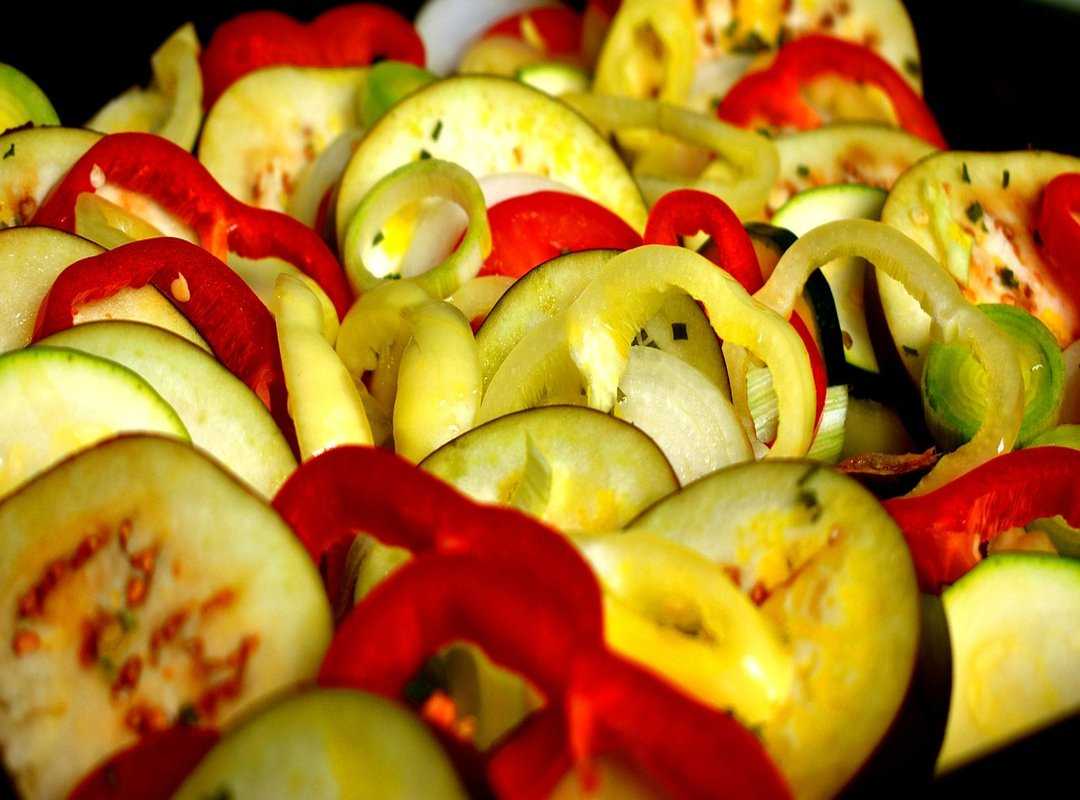
When it comes to presenting ratatouille, think outside the box. You can layer it in a casserole dish for a colorful main course. Or serve it as a side in small ramekins.
- Use a ring mold to create neat, stacked servings.
- Garnish with fresh herbs like basil or parsley.
- Add a drizzle of balsamic reduction for extra flavor.
For pairings, CRUSTY BREAD is a classic. It soaks up all those rich, tomatoey juices. Rice also works well, especially if you’re looking for something heartier.
Grilled meats, like chicken or fish, complement the vegetable medley perfectly. The smoky flavors from the grill add a nice contrast to the sweet and savory notes in the ratatouille.
CHEF:L2-OERMXMY4= ratatouille is versatile. Experiment with different presentations and pairings to find what your family loves.
Storing and Reheating Ratatouille
Storing leftover ratatouille is simple. Just keep it in an airtight container in the fridge. It’ll stay fresh for up to 5 days.
Reheating is where things get tricky. You want to keep that texture and taste, right? The best way is to use the stovetop.
Heat it slowly over low heat, stirring occasionally. This helps maintain the flavors and prevents it from getting too mushy.
If you’re in a hurry, the microwave works too. But be careful, and use short bursts and stir in between.
This keeps the ratatouille from turning into a watery mess.
One more tip: Add a splash of olive oil or a pat of butter when reheating. It enhances the flavor and gives it a nice, rich finish.
Remember, chef:l2-oermxmy4= ratatouille is all about those layers of flavor. Treat it right, and you’ll enjoy it just as much the second time around.
Perfecting Your Ratatouille
To make an authentic and delicious ratatouille, start by selecting the freshest vegetables. Properly slicing and dicing them is crucial. Season each layer as you build your dish for a balanced flavor.
Slow cooking is key, allowing all the flavors to meld together beautifully. This guide ensures anyone can master the art of ratatouille. Enjoy a delightful, healthy, and versatile dish that can be enjoyed in many ways.
 David Withers – Senior Parenting Advisor David Withers brings over 15 years of expertise in child development and family dynamics to his role as Senior Parenting Advisor at Makes Parenting Watch. A respected voice in the parenting community, David has worked extensively with families, helping them navigate the complexities of raising children through every phase of life—from infancy to adolescence. His articles are known for their evidence-based approach, offering parents practical, actionable tips on topics such as sleep training, positive discipline, developmental milestones, and fostering emotional resilience in children. In addition to his writing, David conducts workshops and webinars to provide personalized advice to parents dealing with specific challenges. His deep understanding of child psychology and development ensures that Makes Parenting Watch remains a valuable and reliable resource for parents seeking guidance in today’s fast-paced world.